
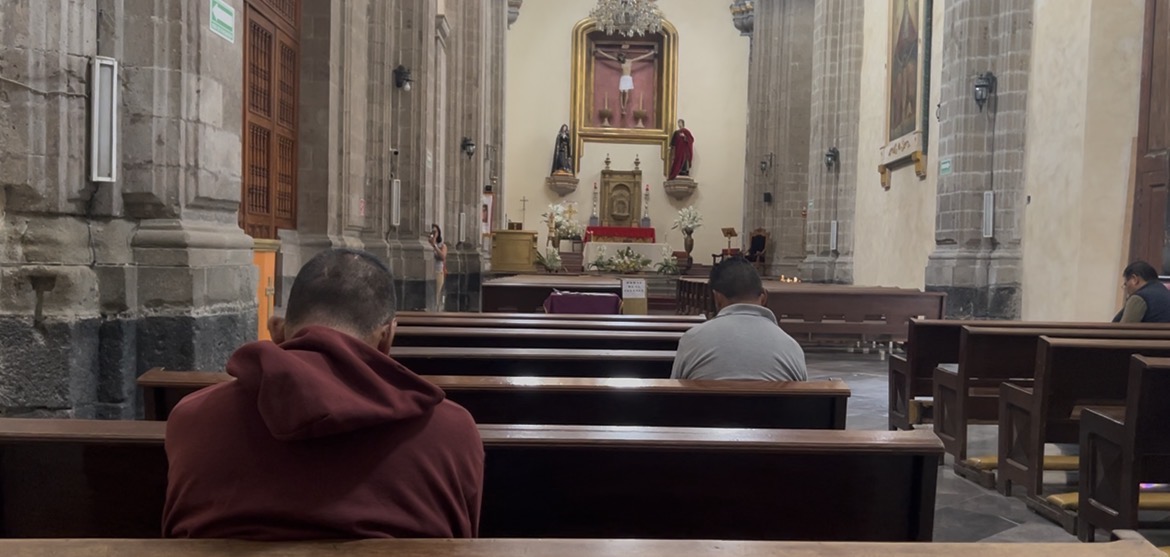
Almost nine years after the earthquakes that shook central and southwestern Mexico in September 2017, St. John of God Church and Holy True Cross Church, both located in Mexico City, have reopened their doors for worship.
On July 8, a Mass was celebrated at Holy Cross Church, marking the communityʼs return to their church and concluding a lengthy restoration process.
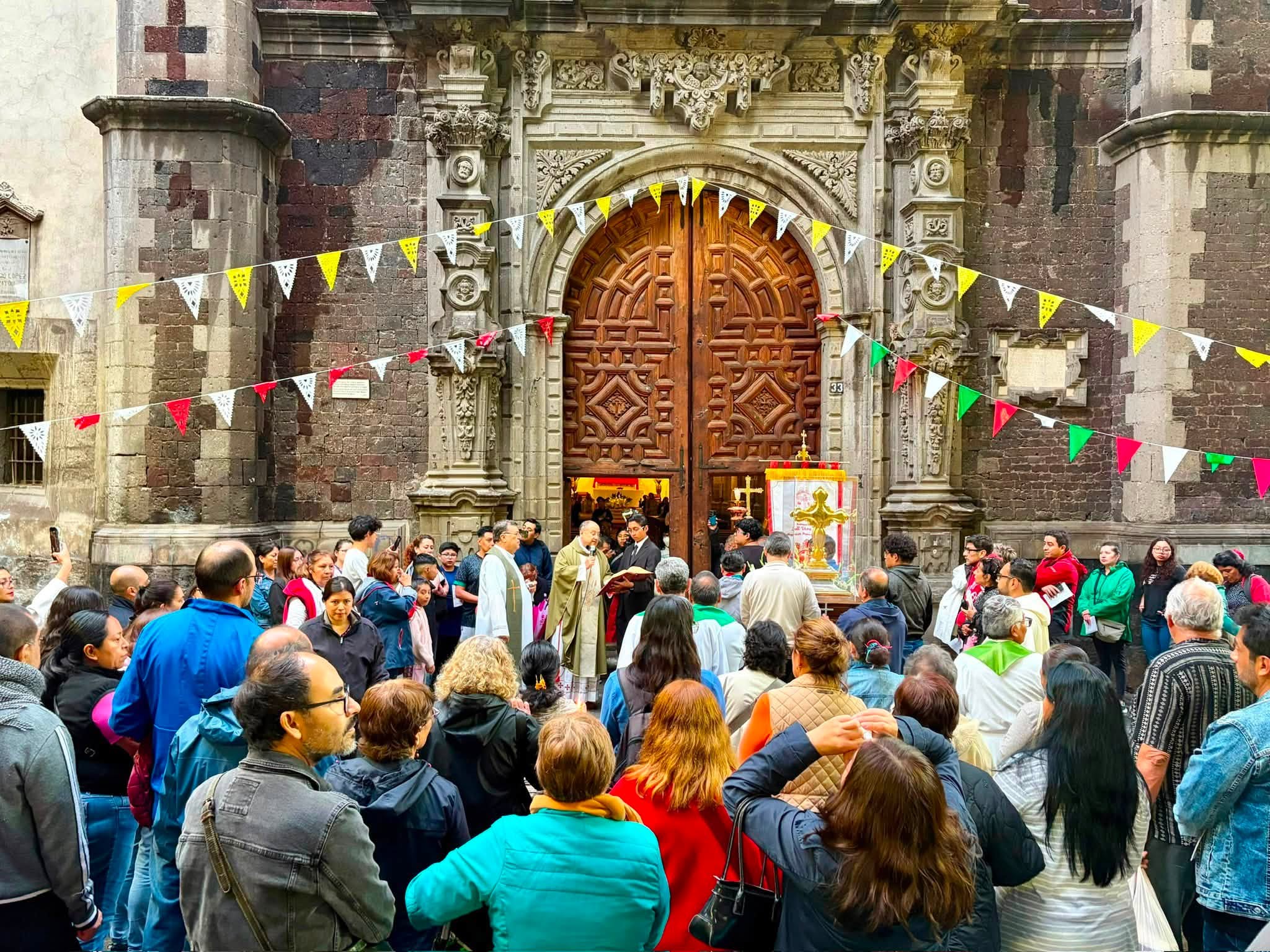
The earthquakes of Sept. 7 and 19, 2017, resulted in 468 deaths and caused damage to thousands of buildings.
In Mexico City alone, around 160 Catholic churches suffered structural damage of varying severity such as these two churches located just a short distance apart.
5 centuries of history
Holy True Cross Church is considered one of the oldest churches in the country.
According to tradition, the explorer and conquistador Hernán Cortés ordered the construction of a small chapel to commemorate the landing of the Spanish expedition at the port of what is now known as the state of Veracruz. Over time, that chapel gave rise to the parish as it is known today.
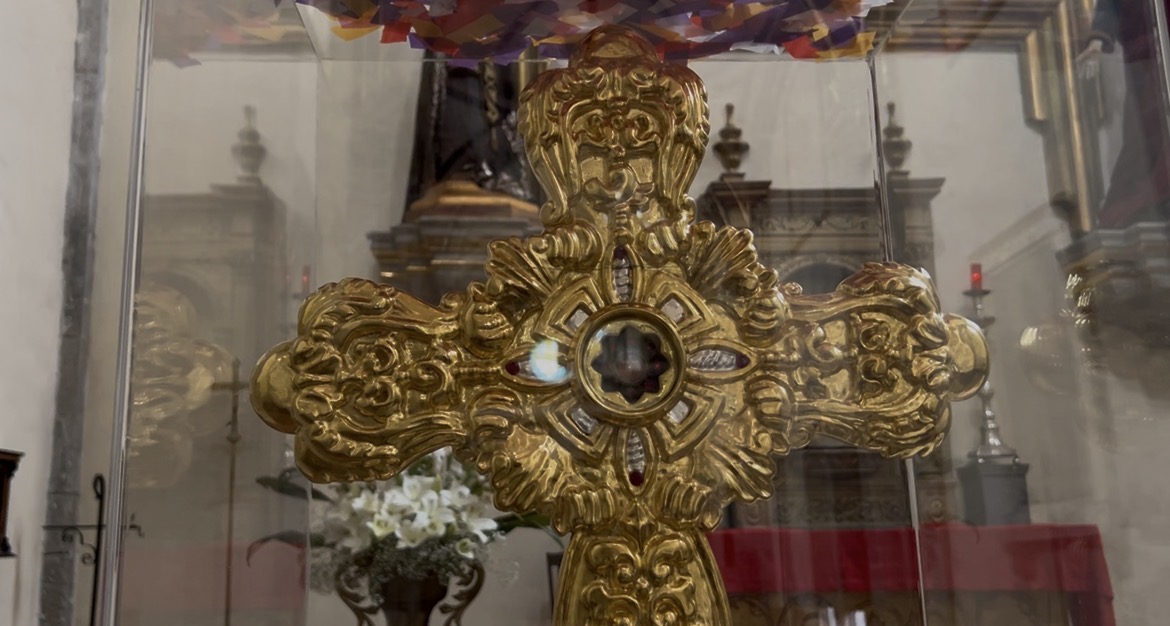
The church also houses important works of sacred art, such as the Christ of the Seven Veils, which is said to have been a gift from Pope Paul III to King Carlos V of Spain. Additionally, a relic of the true cross is preserved there, considered by Christian tradition to be a fragment of the cross on which Jesus Christ died.
In an interview with ACI Prensa, the Spanish-language sister service of EWTN News, Father Juan Carlos Guerrero Ugalde, the pastor of Holy True Cross and St. John of God, stated that restoring the churches was a priority of “not only ecclesiastical but also civic interest.”
“This church [Holy True Cross] was the third parish established in the city and, therefore, holds a tradition of faith dating back to the 16th century,” he explained.
9 years to return
Guerrero described the restoration process as “meticulous and slow” due to the complexity of the damage.
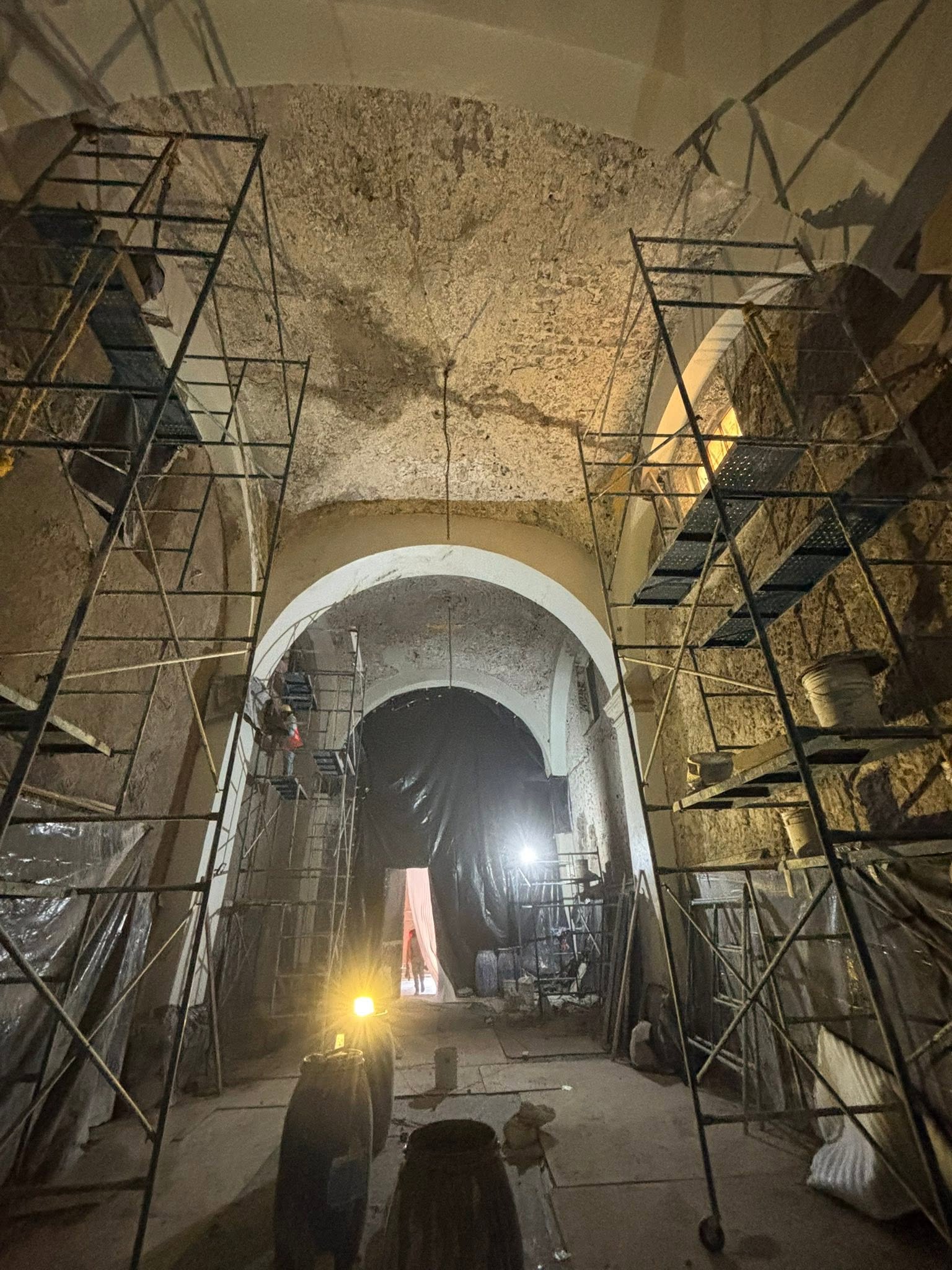
Among other measures, the bell towers, which were at risk of collapse, were reinforced, cracks were repaired, the hydraulic piles supporting both structures were serviced, the roofs were waterproofed, and work was carried out to correct the effects of the ground settling.
The work was overseen by the National Institute of Anthropology and History, as both buildings are part of the nationʼs historical heritage.
In Mexico, religious buildings constructed prior to the 1992 constitutional reforms are state property, although they remain places of worship and are used by religious associations.
The restoration of the Holy True Cross church faced an additional challenge: a fire in August 2020 caused by individuals living on the street. Reports indicate that a campfire spiraled out of control, damaging the choir loft, the dome, and sacred art.
Today, those walking through the historic central part of Mexico City can once again enter the church. Marcela Eduardo, who works in the area and took a moment of free time to stop in and pray, did just that.
“It brought me great joy to see it open and to see that repairs are underway,” she noted in an interview with ACI Prensa. She said that when she saw the parish church open, her first thought was to go in to see Christ and “greet him, make the sign of the cross, and ask him for something: that he give me more energy.”
Much more than a church
These churches are surrounded by some of Mexico’s most important cultural landmarks, such as the Franz Mayer Museum, the Palace of Fine Arts, and the Alameda Central, a large city park.
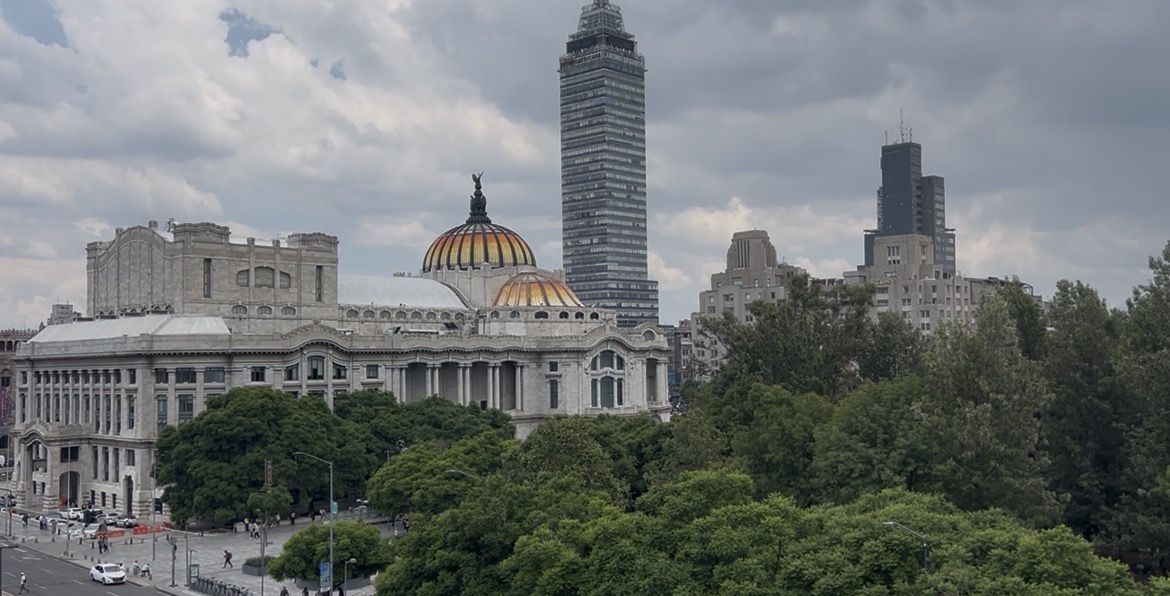
Although Holy True Cross and St. John of God churches might go unnoticed by some tourists amid so many other buildings, Guerrero noted that their value has been “significant for both the faith and the city.”
He explained that, following the 1985 earthquake, the area welcomed numerous families from various places, necessitating the construction of a new community identity. Pastoral work at the time “consisted of gradually integrating the way of life of longtime residents and that of those who were newly arriving.”
Over the years, he added, violence, drug trafficking, and social breakdown affected life in the neighborhood, making the Church’s presence even more necessary.

For Betsabé Jara, who visited the church after touring the Franz Mayer Museum, the reopening represents an opportunity to regain a place for encountering God.
“It brings peace of mind that the church is open, that one can enter and pray. Especially for people who couldnʼt go elsewhere because there wasnʼt a church nearby,” she said in an interview with ACI Prensa.
Building the community
The priest noted that reactivating community life will be the next challenge. He explained that a “call has already gone out to neighborhood residents to come for formation as pastoral workers.”
He also noted that they aim to develop social programs such as job training for individuals who did not complete their formal education as well as cultural initiatives in collaboration with nearby museums.
“We want the spaces we have in both churches to be truly utilized and filled with formation programs,” Guerrero said.
As the community gradually restores life to these churches, Masses are currently held regularly on Sundays, whereas weekday Masses take place only upon the request of the faithful.
This story was first published by ACI Prensa, the Spanish-language sister service of EWTN News. It has been translated and adapted by EWTN News English.
Leave a Reply
You must be logged in to post a comment.