
Polandʼs Catholic bishops on Oct. 24 spoke out against two bills that would ease the countryʼs abortion law and named a historian to lead their long-planned commission on the sexual abuse of minors in the Church.
The decisions came at the close of the bishops’ 406th plenary assembly in Zakopanel.
In their final communiqué, the bishops said the bills passed by the Sejm, the lower house of parliament, weaken the legal protection of unborn children. Even if the bills fail later, “the mere fact of processing them fosters the shaping of social acceptance of abortion as a morally neutral solution,” they wrote. The bishops also urged lasting help for women in difficult circumstances.
The Sejm passed both bills on Oct. 20. The first, a penal code amendment approved 217-213, would remove the offense of helping or persuading a woman to have an abortion outside the law. It would also shield medical staff from prosecution for abortions performed to protect a womanʼs life or health or in cases of severe fetal impairment.
The second bill, approved 233-203, would restore abortion up to viability when tests show a high likelihood of severe and irreversible fetal impairment or an incurable life-threatening illness. It would make abortion free in the public health system and require it within 72 hours of consent.
Since a 2020 Constitutional Tribunal ruling, abortion in Poland has been legal only when the pregnancy threatens the womanʼs life or health or results from a crime.
The bills went to the Senate on Oct. 21, but no vote date has been set. President Karol Nawrocki said in January 2025, before his election, that he would not sign a law restoring the rules in place before the 2020 ruling.
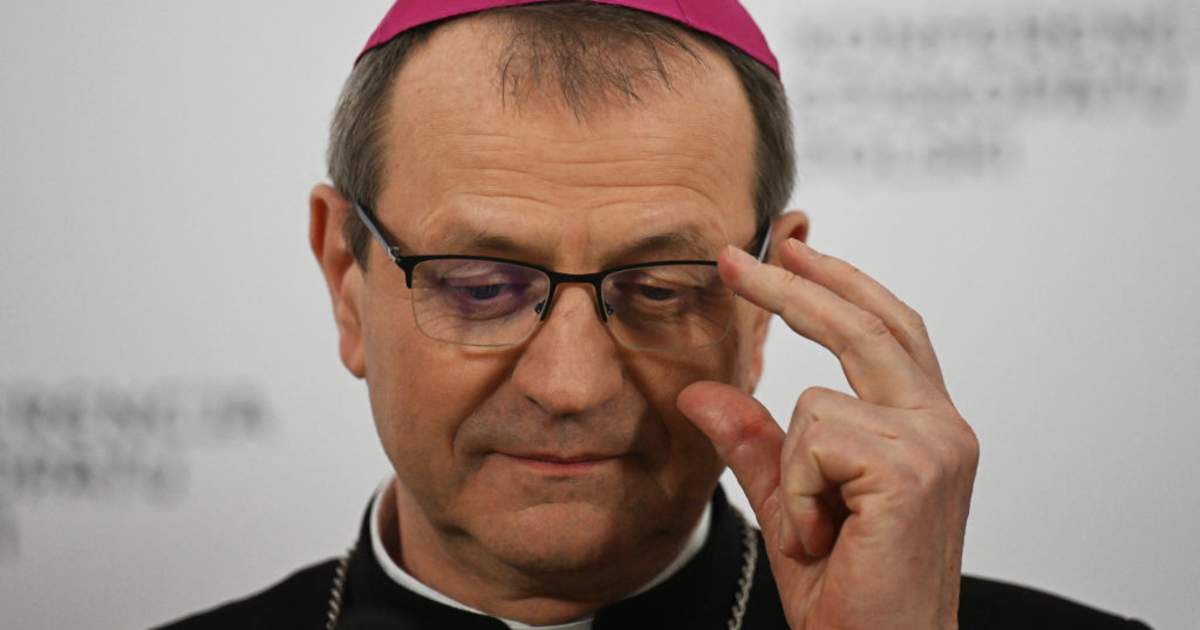
“The bishops express their opposition to such a policy, which does not build but destroys,” Archbishop Tadeusz Wojda of Gdańsk, the conference president, told a press conference.
Abuse commission
The bishops also approved a revised statute for the Commission of Independent Experts to Study the Sexual Abuse of Minors in the Catholic Church in Poland and chose Piotr Franaszek, a historian at the Jagiellonian University in Kraków, as its chairman.
The commission, established in March after three years of preparation, is to study abuse since 1945. It cannot begin work until it gains legal status, which requires approval from the Interior Ministry. The revised statute answers the ministryʼs comments and will be resubmitted; it will be published only after government review.
“We are at the very beginning, but we have an appointed commission, a statute and a chairman,” Franaszek told reporters.
Leave a Reply
You must be logged in to post a comment.