
The U.S. Commission on International Religious Freedom recommended targeted sanctions against the Taliban, Iraqi militias, and government officials in Nicaragua, Nigeria, China, and Russia.
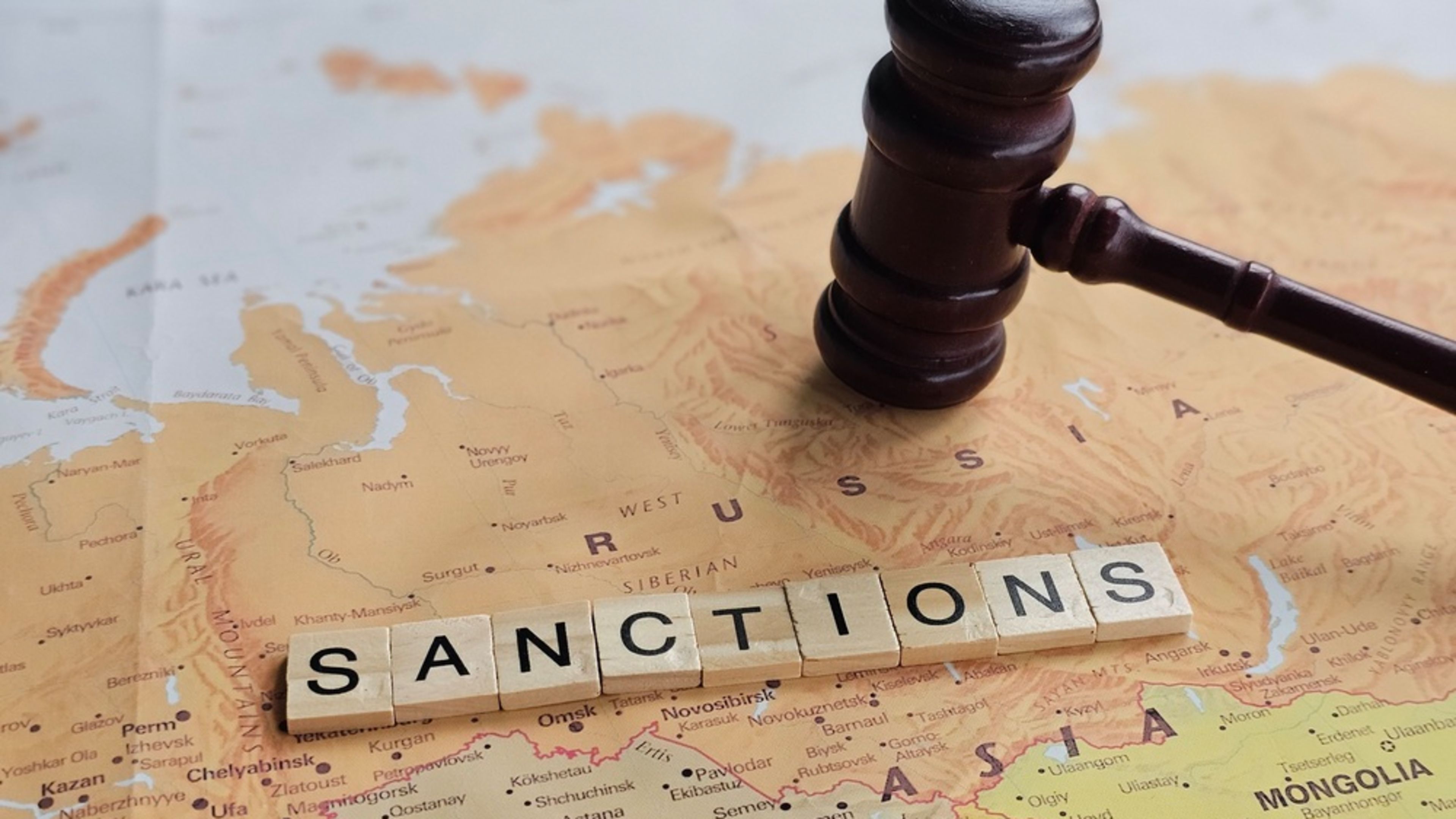
The U.S. Commission on International Religious Freedom (USCIRF) released a fact sheet on May 6 that highlights opportunities to expand targeted sanctions against religious liberty violators.
“There are various opportunities to expand the usage of targeted sanctions, particularly in countries that rank among the world’s worst violators of religious freedom,” the USCIRF document said.
In the fact sheet, the USCIRF recommended the U.S. federal government not simply sanction entire countries but impose targeted sanctions against individuals and entities directly responsible for the violations.
“While countrywide trade embargoes impose broad restrictions on countries to exert maximum pressure, these can cause collateral damage on civilian populations,” it states.
“In contrast, targeted sanctions focus narrowly on the individuals or entities responsible for abuses,” it adds. “Depending on the program, these measures can include banning visas, freezing assets, and blocking financial transactions.”
Specific perpetrators
The document lays out certain perpetrators who violate religious liberty in foreign countries, which was detailed in the USCIRF’s 2026 annual report published in March.
In Afghanistan, for example, the USCIRF recommends sanctions against high-ranked Taliban officials of the Ministry for the Propagation of Virtue and Prevention of Vice, which is the body tasked with enforcing Sharia law.
People involved in Iraqi militias, like the Popular Mobilization Forces, are recommended for sanctions, as are non-state actors and those affiliated with transnational authorities in Syria, which perpetuate religious freedom violations. It also lists government and non-state actors in Libya.
It recommends targeted sanctions against government agencies and officials in Azerbaijan, Kyrgyzstan, and Uzbekistan.
Individuals in two sub-Saharan African countries are also included: Nigerian government and military officials who tolerate or are complicit in attacks on religious communities and Eritrean government officials, including those in the police, judiciary, and correctional system.
The fact sheet recommends targeted sanctions against Chinese government agencies, entities, and officials. It also suggests sanctions against individuals and entities in neighboring India, like intelligence officials and the Hindu nationalist organization Rashtriya Swayamsevak Sangh.
Two Latin American countries are included. It suggests sanctions against Nicaraguan officials who tolerate or are complicit in targeting religious communities. It encourages sanctions against Cuban officials, including Caridad Diego Bello, the head of the Office of Religious Affairs.
Russia is the only European country listed. It suggests sanctions against officials and state agencies, including the Federal Security Service, which is an intelligence agency.
Ways to sanction
The document notes that several policies can be used to implement targeted sanctions related to human rights abuses.
The policies permit economic sanctions and visa bans against any foreign individual or entity engaged in “extrajudicial killings, torture, or other gross violations of internationally recognized human rights” and those involved in “serious human rights abuse.”
Other policies permit visa bans on individuals and — when appropriate — immediate family members for participating in religious freedom violations or gross violations of human rights.
“The primary goal of these programs is to drive behavior change by altering perpetrators’ cost-benefit calculations, reducing their sense of impunity, and publicly naming and shaming,” the document reads.
“These measures signal international expectations, restrict access to the resources needed to continue violations, and demonstrate solidarity with victims and survivors,” it adds. “Generally, visa sanctions are legally required to be issued confidentially, which can diminish some of the impacts from ‘naming and shaming’ and decrease transparency.”
If you value the news and views Catholic World Report provides, please consider donating to support our efforts. Your contribution will help us continue to make CWR available to all readers worldwide for free, without a subscription. Thank you for your generosity!
Click here for more information on donating to CWR. Click here to sign up for our newsletter.
Leave a Reply
You must be logged in to post a comment.