
Speaking at a Mass in Belfast, Northern Ireland, following an inquest that found five Catholics, including a priest, were unlawfully killed by British soldiers in 1972, Bishop Alan McGuckian, SJ, of Down and Connor told Corpus Christi parishioners that the verdict “restores dignity to the deceased, and it brings a measure of justice to those who grieve.”
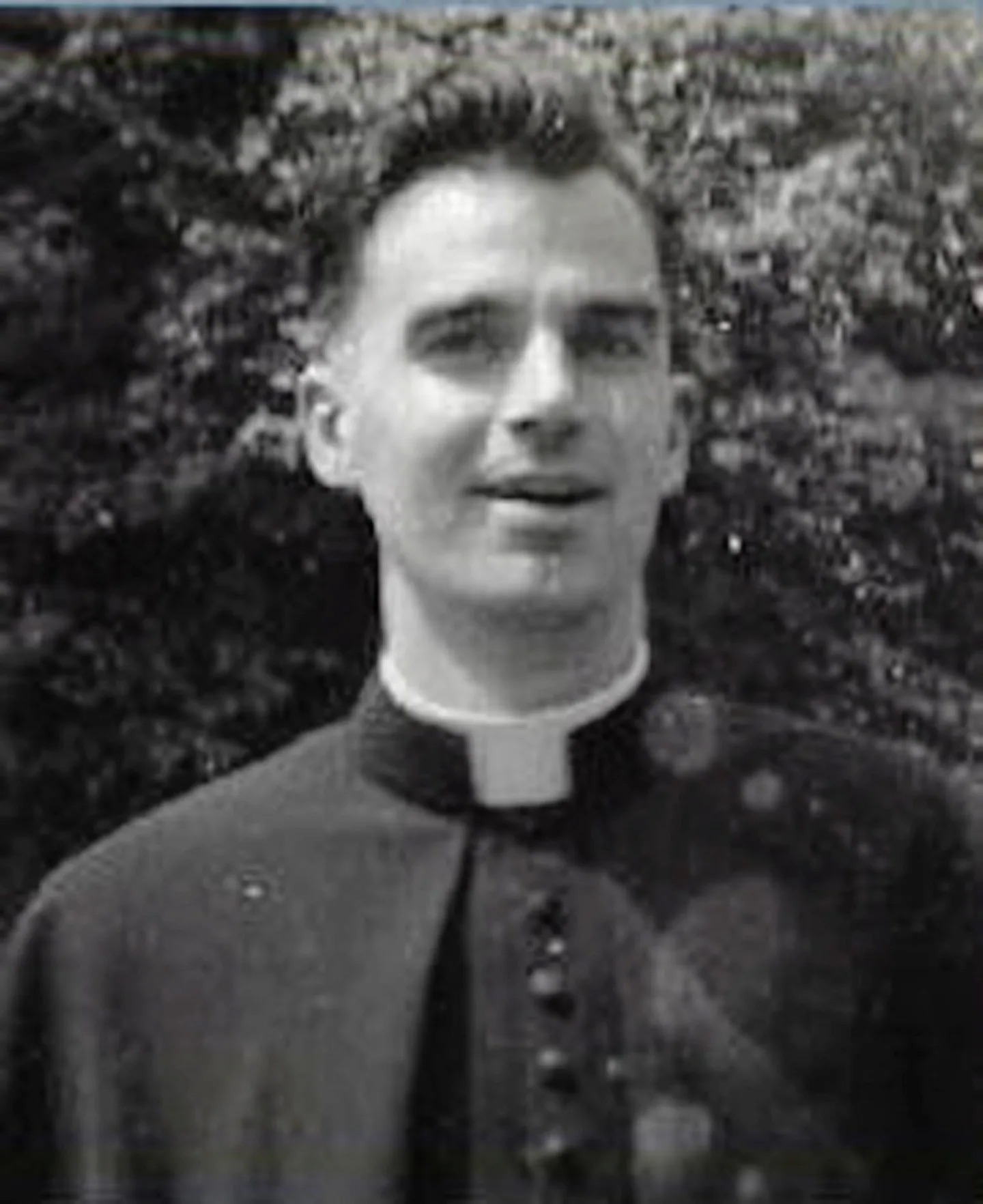
Father Noel Fitzpatrick, 42; Patrick Butler, 38; John Dougal, 16; David McCafferty, 15; and Margaret Gargan, 13, were shot and killed in the Springhill/Westrock area of West Belfast on July 9, 1972. The deceased were all Corpus Christi parishioners and their relatives and campaigners for justice were present at the Mass on May 3 to hear McGuckian’s words.
The shooting took place at a time of great turmoil and disturbance in the city, with an IRA ceasefire having just broken down. The British Armyʼs position was that it was engaged in a sustained gun battle. The coroner’s verdict was that there may have been some “sporadic” firing by the IRA, but those killed were unarmed, posed no threat, and should not have been killed.
The inquest was completed in 2024, just before the British government’s controversial Legacy Act shut down inquests in Troubles-related killings. Belfast High Court Judge David Scoffield, sitting as a coroner, stated that the soldiers from the King’s Regiment “lost control.”
Speaking at the Mass at Corpus Christi Church, McGuckian paid tribute to the perseverance, resilience, and persistence of the victims’ families and the parish community.
McGuckian said the legacy of conflict in Northern Ireland continues to cast a long shadow across communities, families, and institutions, adding that this is a “moment of deep significance” for the families of the parish community and for all who carry the memory of the shootings.
He continued: “Three young children, John Dougal, David McCafferty, Margaret Gargan; a father of a young family, Patrick Butler; and a local priest, Father Noel Fitzpatrick, were unlawfully killed by British army soldiers who ‘overreacted and lost control’ using force that was unreasonable and unjustified. While no legal finding can ever undo the pain of such loss, the public naming of this truth is of profound importance.”
McGuckian paid tribute to Fitzpatrick, “a priest of this diocese, who in faithfulness to his pastoral calling stood with you, his people, in a time of fear and violence.”
He added that the “path towards reconciliation and recovery in Northern Ireland can only be achieved by walking together in the light of truth and justice.”
The inquest found that Fitzpatrick, at the time of his death, was unarmed, posed no threat, and was going to the assistance of others. Butler was killed by the same bullet that killed Fitzpatrick, which struck him after passing through the priest’s neck. He, too, was unarmed, posed no risk, and was assisting Fitzpatrick in helping others.
McCafferty, a schoolboy, was likely attempting to recover the body of Fitzpatrick when he was shot and killed. McCafferty was a member of the junior wing of the Official IRA. The coroner found he was not armed and was not posing a threat when he was shot by the same soldier who killed Fitzpatrick and Butler.
Dougal was an acknowledged member of Na Fianna, the juvenile wing of the Provisional IRA. The coroner found there was suspicious activity in the area that evening and said he was unable to determine whether Dougal had been armed when he was killed. The coroner found that like the other deceased in the inquest, Dougal should not have been shot dead by the army in the circumstances. He was shot in the back as he retreated from the scene.
Thirteen-year-old Gargan was standing talking to friends in the street when she was “shot directly in the face.” She was “wholly innocent.”
Scoffield said in his concluding comments: “In light of the passage of time, the difficulties in establishing to the criminal standard who fired any lethal shots and the associated difficulties in this case of even establishing the identity of the ciphered soldiers — there is little prospect of any prosecution in these cases if that is what anyone is seeking.”
The shooting of Fitzpatrick was the second killing of a Catholic priest by British soldiers within 12 months in Belfast at the time.

Father Hugh Mullan was one of 10 people killed in the Ballymurphy massacre between Aug. 9 and Aug. 11, 1971. An inquest in 2021 found all victims in Ballymurphy to be innocent.
Eyewitnesses reported Mullan was carrying a white cloth when he was shot and continued to pray as he lay dying. Prior to his shooting he had telephoned the British Army base to notify them he was going to the scene to assist a wounded man. He was shot in the back by a member of the paratroop regiment. Mullan’s sister, Geraldine, told ITV News at the time: “It made me very angry that he had died and nobody seemed to care that this young priest’s life had been taken away from him.”
Following the Springhill/Westrock verdict, Down and Connor Diocesan Vocations Director Father Conor McGrath pointed to the example of Fitzpatrick and Mullan as men of heroic virtue — both of whom were exercising their priestly ministry when they were shot.