
“When life hurts, what is truly human is to care, to accompany, and to sustain — not to kill,” Elena Postigo, a bioethics specialist said.
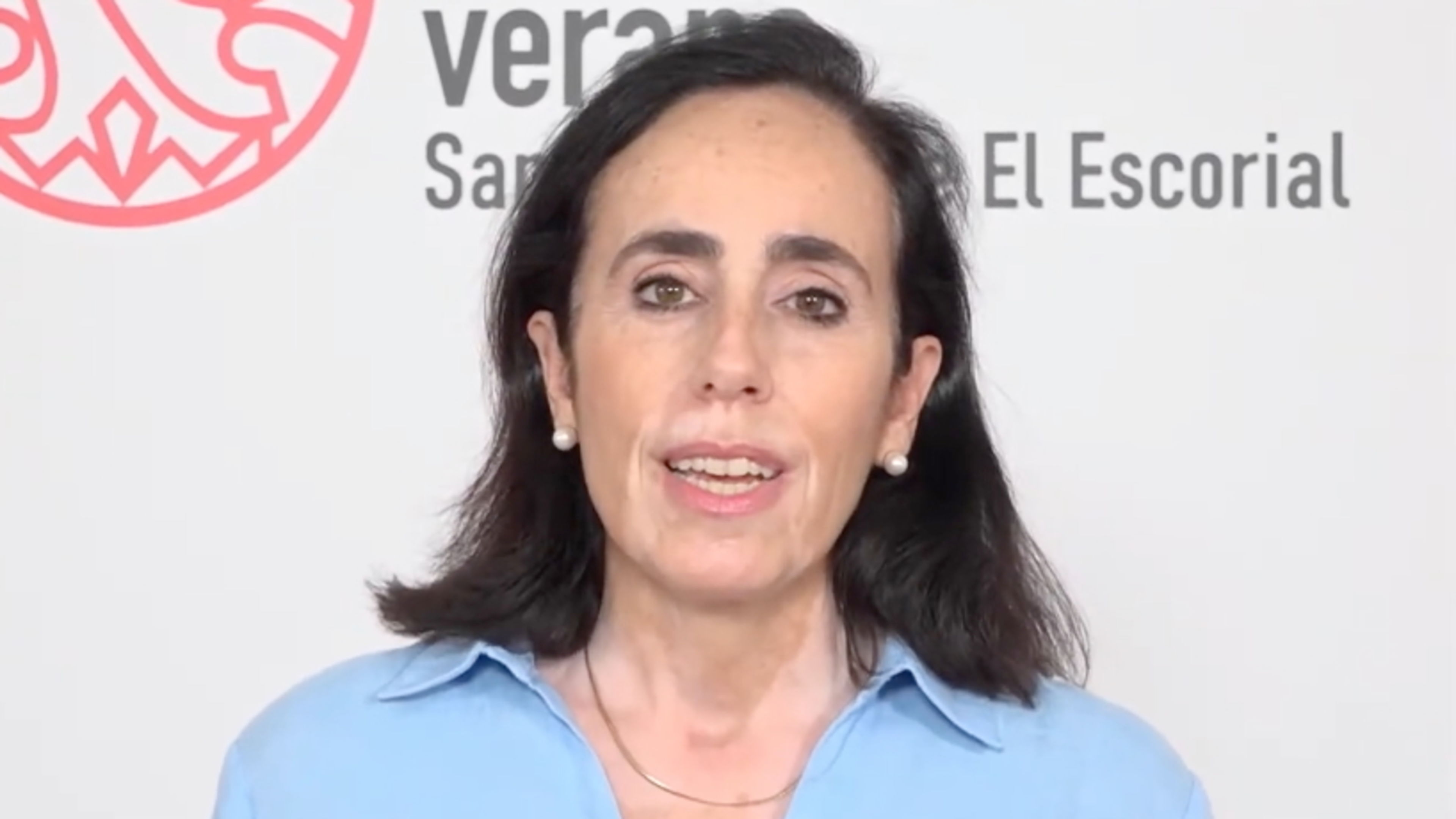
Elena Postigo, a corresponding member of the Pontifical Academy for Life, weighed in on the March 26 death by euthanasia tragedy of Noelia Castillo Ramos, a 25-year-old Spanish woman, from the perspective of her scientific field — bioethics — in a post on X.
At the outset of her message, Postigo acknowledged that the young woman’s story has deeply affected her: “I have been profoundly moved,” she noted, before summarizing the tragedy of Castillo’s life.

“A young woman — the daughter of divorced parents facing severe difficulties — was taken into the care of Social Services and placed in a juvenile detention center. There, she was gang-raped and received neither the psychological care nor the human support she so desperately needed. Following a failed suicide attempt, she was left wheelchair-bound, plunging even deeper into her pain,” Postigo explained.
This story “lays bare the deepest fissures within our system: It reveals a victim of institutional abandonment who was left utterly alone to face her suffering,” the specialist asserted.
Her request for euthanasia “is presented as an act of freedom, yet in reality, it expresses the hopelessness of someone who was never truly embraced or treated with the dignity she deserved. We are not dealing with a case of euthanasia here but rather one of assisted suicide.”
‘A grave failure that sets a precedent’
The Pontifical Academy of Life member emphasized that Castillo did not “suffer from a terminal illness but rather from profound depression stemming from unhealed trauma. Even so, the law permits opening that door without distinguishing between irreversible physical suffering and psychological suffering that can be treated and alleviated.”
In her view, this consideration constitutes “a grave failure that sets a precedent: a regulation that is today being applied to individuals who could regain their lives if they received the appropriate help, therapy, and support.”
The law — rather than offering genuine compassion — ends up legitimizing the renunciation of life by those who most need support and hope.
Elena Postigocorresponding member of the Pontifical Academy for Life
“The law — rather than offering genuine compassion — ends up legitimizing the renunciation of life by those who most need support and hope,” Postigo observed. “Noelia didn’t need to be offered death but rather someone to restore her sense of purpose, provide assistance, and offer the possibility of healing.”
Postigo further maintained that Castillo’s case is “the reflection of a profound collective failure. When life hurts, what is truly human is to care, to accompany, and to sustain — not to kill.”
Sharing her personal perspective, the bioethics specialist said that in such cases, compassion “ought to translate into presence, accompaniment, and care, not into authorization to die.”
“The fact that the state would even contemplate assisted suicide for such a young person strikes me as a grave error and, above all, a moral defeat.”
This story was first published by ACI Prensa, the Spanish-language sister service of EWTN News. It has been translated and adapted by EWTN News English.
If you value the news and views Catholic World Report provides, please consider donating to support our efforts. Your contribution will help us continue to make CWR available to all readers worldwide for free, without a subscription. Thank you for your generosity!
Click here for more information on donating to CWR. Click here to sign up for our newsletter.
Leave a Reply
You must be logged in to post a comment.