
As Iraq faces fast-moving fallout from the widening war in the Middle East, bringing the country into its line of fire, Erbil, the capital of Iraq’s Kurdistan Region, is now facing a double challenge after coming under attack by Iraqi armed factions as well.
For days, Erbil and surrounding areas have lived with anxiety and tense anticipation amid the sound of explosions linked to missile and drone attacks, and the interception of both.
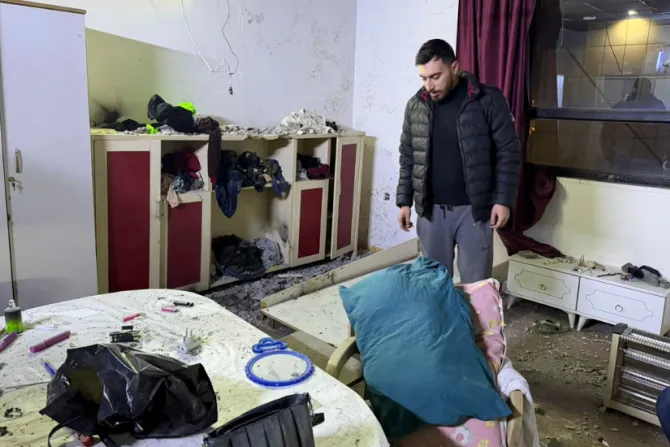
The predominantly Christian town of Ankawa has faced growing challenges because of its location between targeted sites. Interceptions in its skies have led to falling debris, causing limited damage to buildings and property.
In response to these rapid developments and the worsening security situation, Erbil’s Catholic bishops reaffirmed the universal Church’s call to pray for peace and to place dialogue above the language of war and hatred.
A memory marked by wars
Bishop Bashar Matti Warda, head of the Chaldean Catholic Archeparchy of Erbil, told ACI MENA, the Arabic-language sister service of EWTN News, that the Church in Iraq “joins the faithful around the world, united in prayer with Pope Leo XIV for peace in the world, and especially in the Middle East,” recalling the painful suffering the region has endured, particularly Iraq, through wars, violence, and displacement.
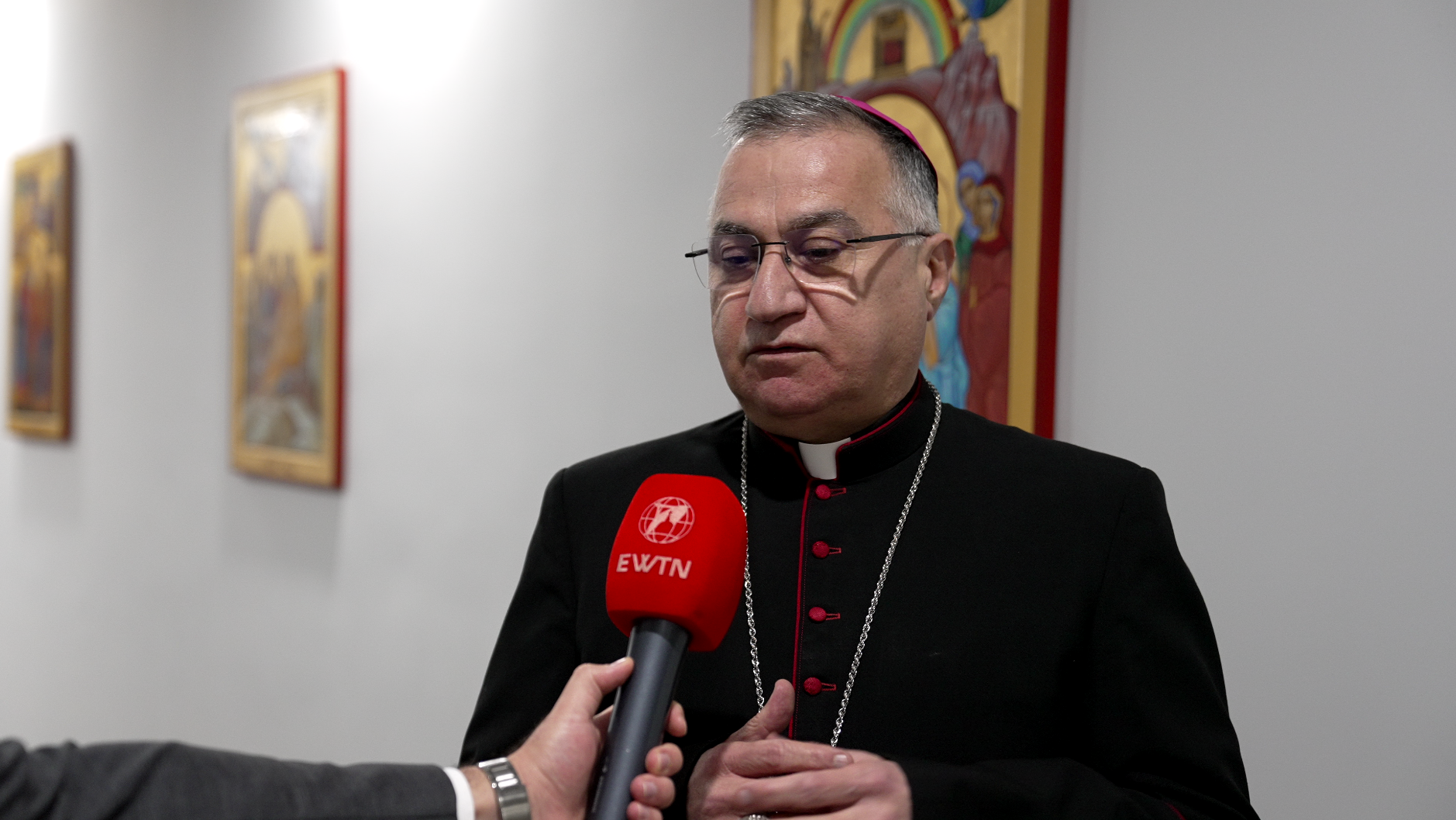
He said the past few days have been difficult because “the sound of explosions and missiles awakened the collective memory of Iraqis in general, and my personal memory, of painful chapters that are still alive: what we lived through during the eight-year war against Iran, the Gulf War in 1991, then the 2003 war and everything that followed.”
Warda added: “They were terrible days that Iraqis in general, and Christians in particular, remember. We prayed and hoped they would not return… yet today we find ourselves living them again.”
Warda urged world leaders and decision-makers to stop relying on force, stressing that “war is not only costly in material terms; the deep wounds it leaves, and the painful scars in memory, are even harsher.” He also renewed his call for people everywhere to unite with Iraq’s Christians in prayer for peace.
‘Do not be afraid!’
For his part, Bishop Nathanael Nizar Semaan, head of the Syriac Catholic Eparchy of Hadiab, called on believers to be courageous, offering a clear message of reassurance: “Do not be afraid… take courage.”
Speaking to ACI MENA, he said the faithful are “united in prayer with Pope Leo XIV and all people of goodwill, asking God to fill the world with his peace and joy.”
He added: “We raise our prayers to God, asking him to enlighten everyone’s minds and lead them away from the language of war.” He encouraged commitment to dialogue as the path to building a better future for all.
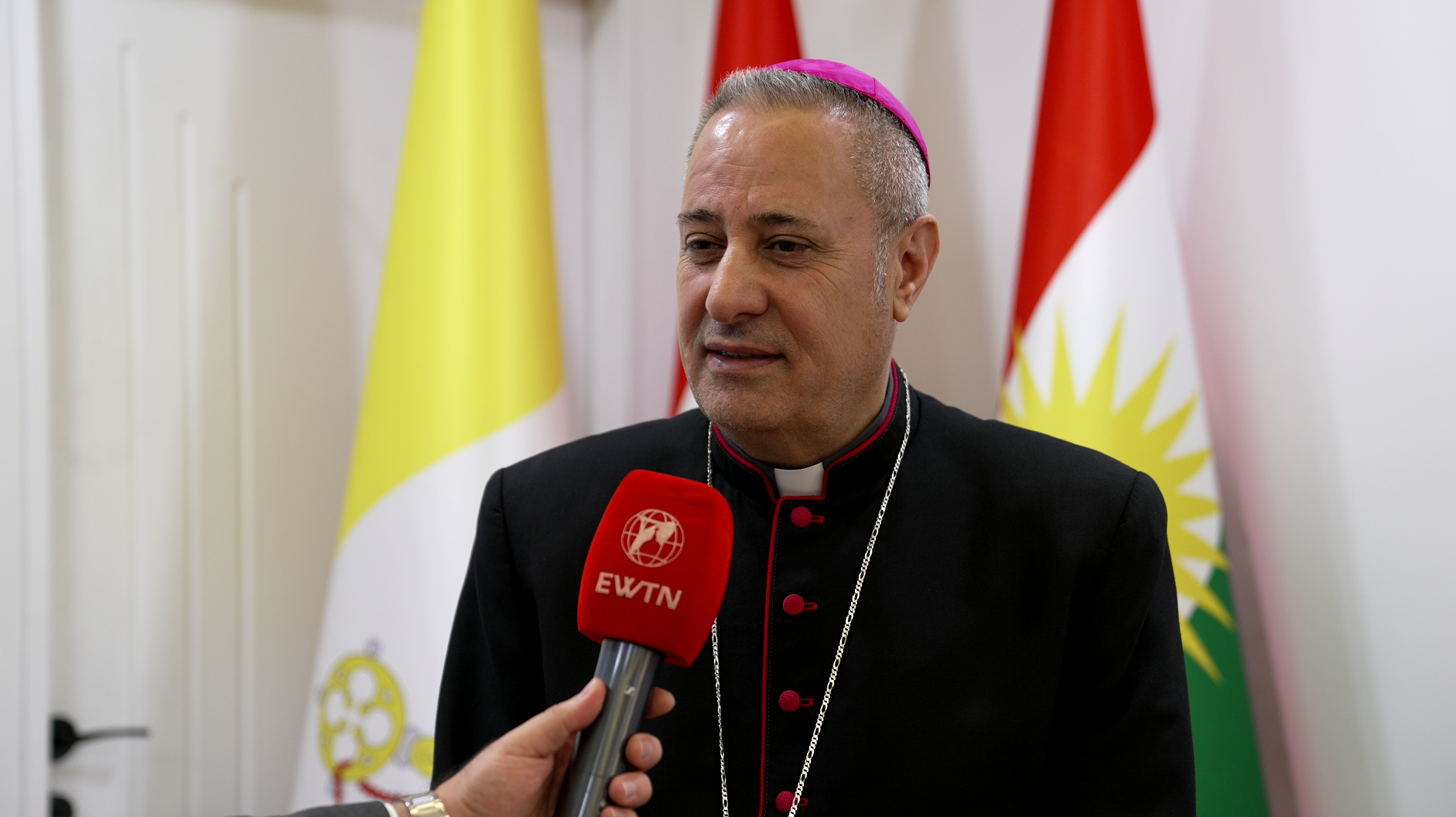
Semaan concluded by urging people to remain firm in faith and to arm themselves with prayer for the “safety of our brothers and sisters here in Kurdistan, in all Iraqi cities, and in the Middle East.” He entrusted all cities and towns to God’s care, hoping that “these difficult days will pass soon.”
Iraq’s Ministerial Council for National Security previously affirmed Iraq’s commitment to preventing escalation and ensuring its territory is not used for any external or internal conflicts, in order to protect the country’s stability and its people.
This story was first published by ACI MENA, the Arabic-language sister service of EWTN News. It has been translated and adapted by EWTN News English.