
The Catholic Church in Bangladesh has spent decades preserving indigenous languages — but leaders warn only government action can save them permanently.
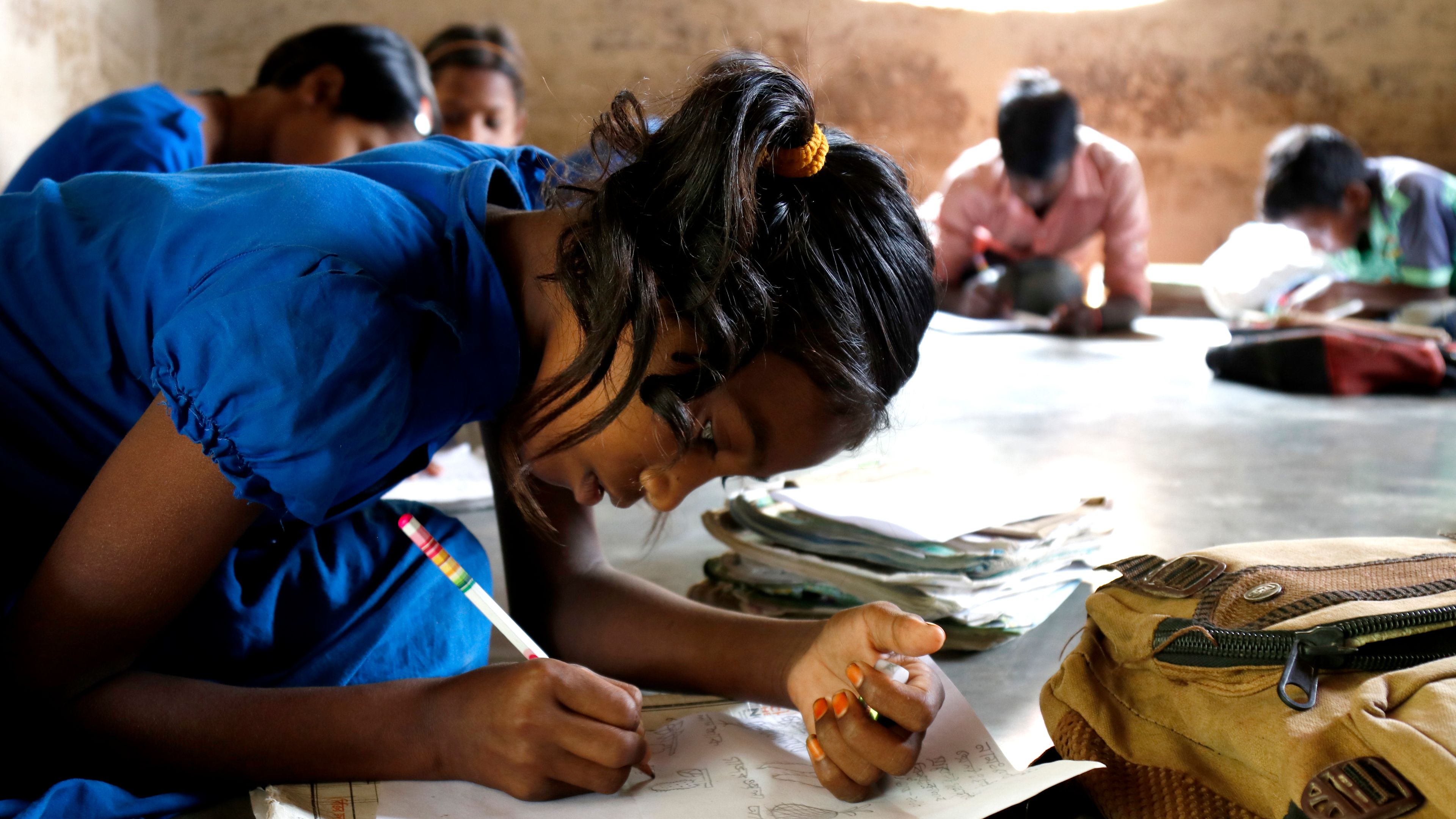
DHAKA, Bangladesh — On the occasion of International Mother Language Day, indigenous communities across Bangladesh are calling on their government to act before dozens of native tongues disappear forever — and crediting the Catholic Church with keeping many of them alive in the meantime.
Feb. 21 is observed as both International Mother Language Day and Martyrs’ Day in Bangladesh, commemorating the students killed in 1952 after they took to the streets to demand Bengali as the state language, defying a government ban on public assembly.
Since UNESCO recognized the day in 1999, it has been marked worldwide as a celebration of linguistic diversity.
But for Bangladesh’s indigenous peoples, the occasion carries particular urgency. Although the country officially recognizes 51 indigenous communities — indigenous leaders put the number at around 70 — the International Mother Language Institute counts 41 languages in Bangladesh, 33 of them indigenous.
Researchers have identified at least 14 of those as endangered.
“Our indigenous languages are facing a crisis today; many languages have already been lost,” Suvash Chandra Hembram, secretary of the National Indigenous Council, told EWTN News.

Members of the Garo Indigenous Students Forum place a floral wreath at the Shaheed Minar in Dhaka on Feb. 21, 2026, paying tribute to those martyred for the Bengali language on this date in 1952. | Credit: Stephan Uttom Rozario
Hembram called on the government to move beyond seminars and policy papers. “Along with the non-governmental organizations, the government needs to take strong initiatives,” he said. “Because, if the government takes a measure within its policies, it will be a permanent measure.”
He acknowledged the contribution of the Church and civil society organizations but said such efforts, however praiseworthy, “are not a permanent form” of protection.
Church’s long record
The Catholic Church in Bangladesh has been engaged in indigenous language preservation for generations. Foreign missionaries were among the first to commit indigenous languages to writing, producing religious and liturgical texts, hymnals, and catechetical materials in those tongues.
“Foreign missionaries in Bangladesh have long since assimilated various indigenous languages and have written religious and liturgical books in those languages, as well as books of religious hymns,” Father Patrick Gomes, secretary of the Christian Unity and Interreligious Dialogue Commission of the Bangladesh Catholic Bishops’ Conference, told EWTN News. “At the same time, they have also used the languages of indigenous people in liturgy.”
Father Gomes said the Church “respects all languages and has always worked to promote them.”
Caritas Bangladesh’s education work
Caritas Bangladesh, the social development arm of the Church, has extended this commitment into formal education since 1983, focusing on children in marginalized communities and hard-to-reach areas.
In 2011, Caritas launched the Aloghar (Lighthouse) Project with support from the European Union and Caritas France, aiming to empower more than 158,000 disadvantaged children across Bangladesh by improving literacy and access to quality education. Beneficiaries included school dropouts, children with disabilities, and a large number of indigenous children — many of them first-generation learners.
Multilingual education materials were developed with direct participation from indigenous communities, incorporating traditional stories, rhymes, festivals, and customs. Program Director Apurba Mrong said the approach builds both competence and pride.
“I think it is possible to protect these indigenous languages only if there are not only private but also public support and political will,” Mrong told EWTN News.
He warned of the cost of inaction: when children speak one language at home and another at school, they face “confusion and inferiority” and often drop out altogether.
The Bangladesh government has printed and distributed primary-school books in six indigenous languages, but indigenous leaders say no effective steps have been taken to actually teach those languages in classrooms.
If you value the news and views Catholic World Report provides, please consider donating to support our efforts. Your contribution will help us continue to make CWR available to all readers worldwide for free, without a subscription. Thank you for your generosity!
Click here for more information on donating to CWR. Click here to sign up for our newsletter.
Leave a Reply
You must be logged in to post a comment.