
For nearly four decades, Sister Miriam Francis Perlewitz has lived a quiet but extraordinary missionary life in Bangladesh, a Muslim-majority nation where Catholics represent a tiny minority.
An American missionary sister, Scripture scholar, and educator, she has shaped generations of Catholic priests while also transforming grassroots education for children of all faiths. Today, she stands as one of the last American nuns still serving in the country — and as her advanced age signals an imminent departure, her story emerges as a rare testimony to missionary perseverance, women’s leadership, and faith lived from the margins.
Sister Miriam arrived in Bangladesh in 1985, initially to teach sacred Scripture part time at Holy Spirit Major Seminary in Dhaka. At the time, Bangladesh faced daunting challenges: widespread poverty, limited access to education, and pervasive illiteracy. The idea of a woman teaching future priests — let alone in South Asia — was uncommon and controversial.
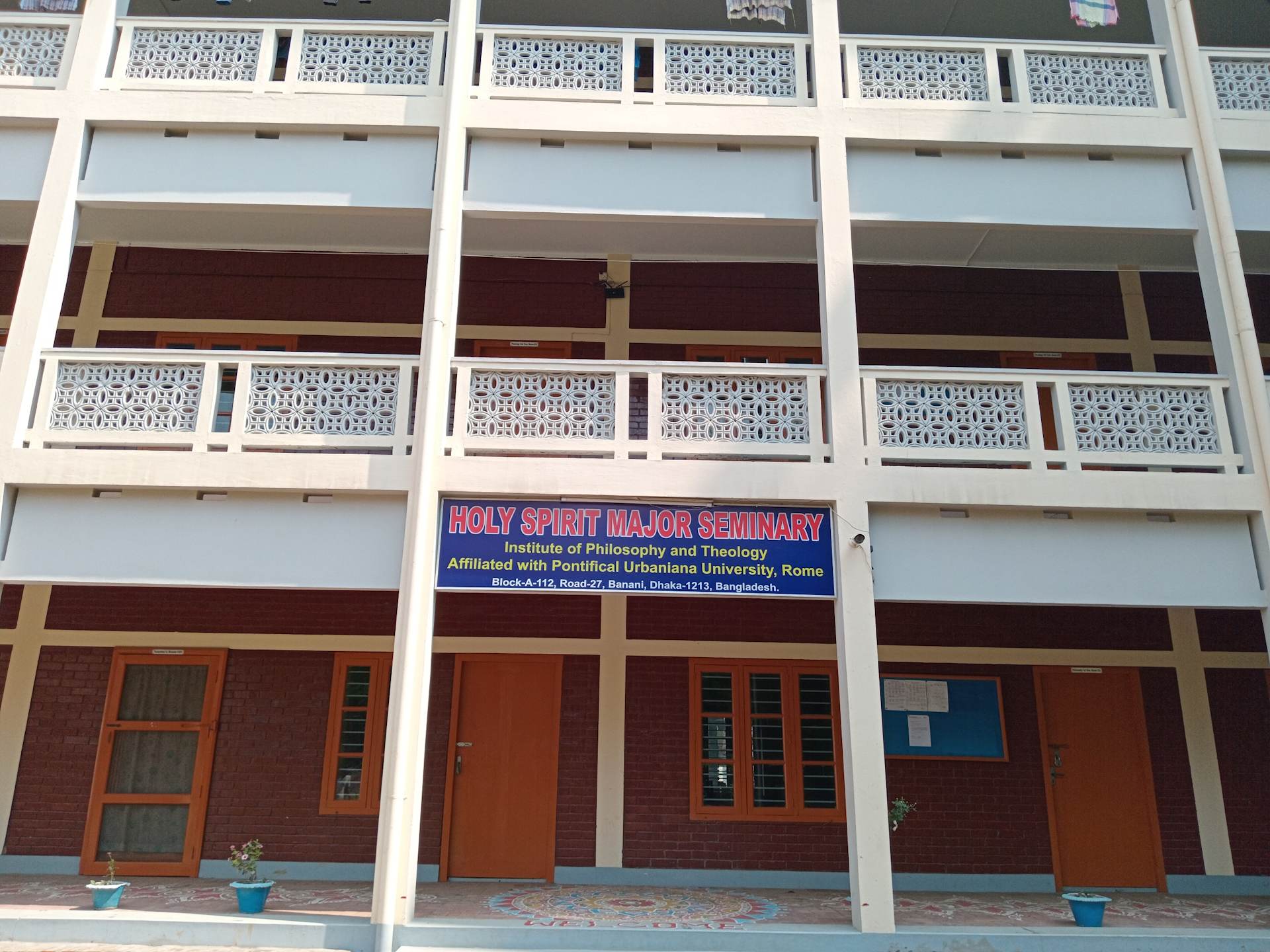
Yet what she encountered immediately disarmed hesitation. “The friendliness and welcoming attitude of the students, as well as the questions I had about applying the message of Scripture in a Muslim environment, deeply touched me,” she told EWTN News.
For several years, she divided her time between Maryknoll’s major seminary and Bangladesh. When Maryknoll closed its school of theology in 1992, she made a decisive choice: She would remain full time in Bangladesh. That decision would shape the Church in the country in lasting ways.
Forming shepherds in a Muslim-majority nation
For more than two decades, Sister Miriam taught sacred Scripture at Holy Spirit Major Seminary, forming generations of priests — including men who would later become bishops and archbishops. Her presence itself was a quiet challenge to convention.
“First of all, the fact that I was a woman, involved in a ministry that was considered to be a man’s field, was questioned,” she recalled. Initially, some Church authorities hesitated. But the seminarians themselves defended her role. “When the students supported and spoke in my favor, the ‘powers that be’ decided to allow me to continue.”
What followed was a deeply collaborative ministry. Sister Miriam describes her seminary years not simply as academic formation but as a shared spiritual journey. “We became ‘one’ in the endeavor,” she said, united by the goal of passing on the Gospel — “the good news that God became man so that man may become one again with God.” For her, the word “man” was always inclusive, embracing all humanity.
Her approach to teaching remained consistent across decades, even as Bangladeshi society changed. “I believe the answer is in every individual,” she said. “The key to learning is to find out what lies hidden in the depths of each person.” Creating a space where students could speak openly about hopes and desires, she believed, was essential for both faith and transformation.
A school of values and inclusion
Sister Miriam’s missionary vision was never confined to the seminary classroom. In her early years, she balanced teaching Scripture with running sewing classes for women recovering from drug addiction. Witnessing their determination deeply influenced her educational philosophy.
“Seeing the desire of these afflicted souls to overcome their addiction gave me the incentive to motivate, encourage, and pass on the tools to achieve their hopes,” she said.
This conviction later found fuller expression in the 1990s, when she co-created an innovative “Education for Life” curriculum with Sister Joan Cordis Westhues, MM. The program addressed self-esteem, anger management, communication, and personal responsibility — topics largely absent from traditional rote-based education.
“In the process of reform, one must begin with the ‘self,’ then ‘others,’ and finally ‘the world,’” Sister Miriam explained. She piloted the lessons with students at St. Gregory’s School in Dhaka. One young boy’s reaction stayed with her. “He told me these lessons had changed his whole life,” she said, smiling at the memory.
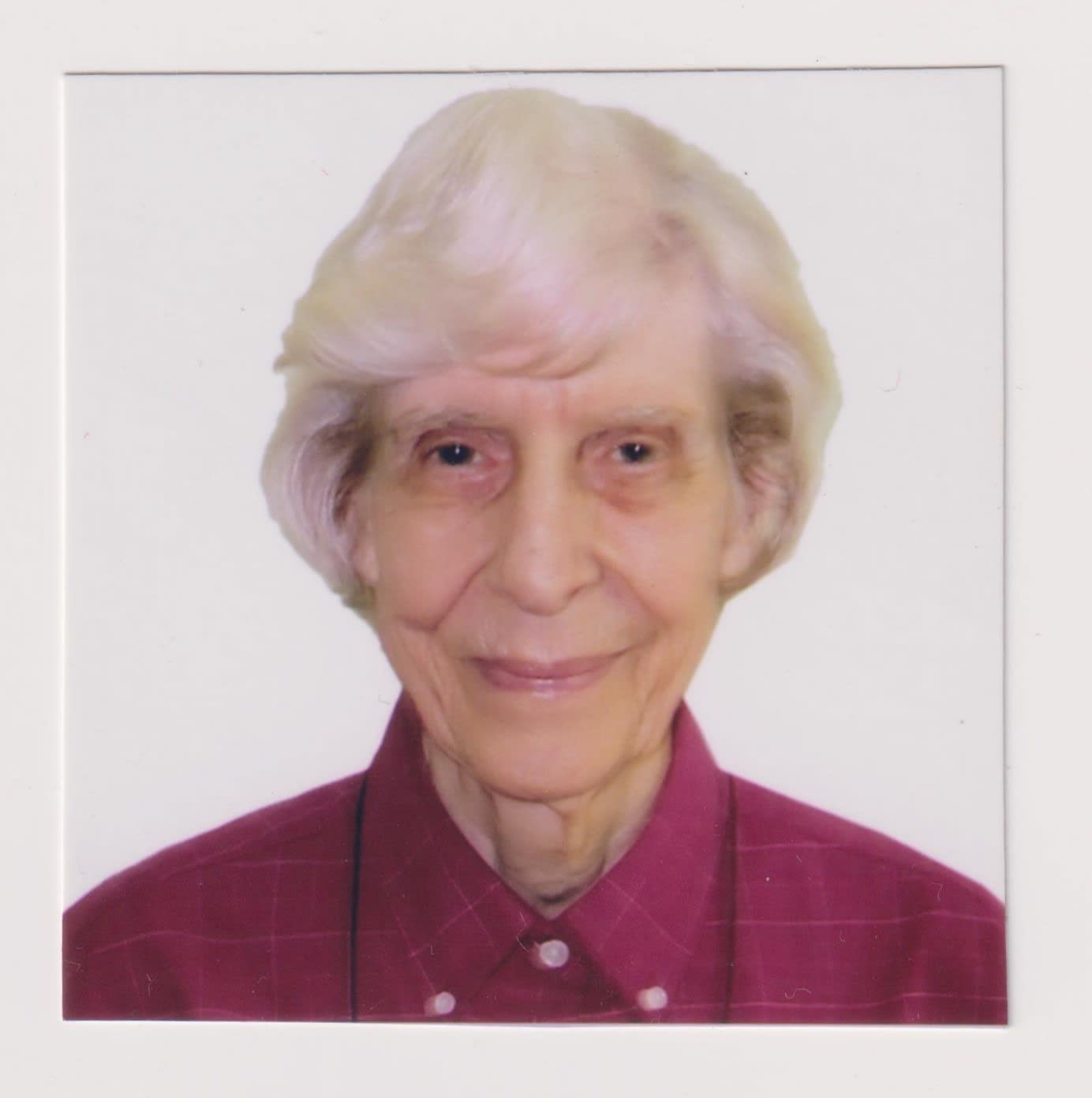
This vision ultimately took institutional form through BACHA English Medium School, an inclusive education initiative Sister Miriam co-founded to prioritize human values, critical thinking, and life skills over memorization. BACHA brings together Christian, Muslim, and Hindu children in the same classrooms — a quiet but powerful witness to interfaith harmony in a divided world.
As an English-medium school located in the heart of Dhaka, BACHA is also remarkably affordable. Khokan Gomes, father of a sixth-grade student, told EWTN News that tuition is “half that of other English medium schools” while maintaining high academic standards.
“Children quickly learn English from speaking to writing,” he said. “This school is a blessing for people like me.” He added that discipline and moral values are integral to the school’s culture.
For former student Sifat Ahmad, a Muslim who studied at BACHA from nursery through O Levels, the impact was profound. “I not only got good results in exams,” he said, “I also developed confidence, English-language skills, and leadership qualities.” He credits the school with shaping him “into a global person, beyond just academic achievement.”
Sister Miriam insists that interfaith harmony comes naturally among children. “This is a question that adults will ask,” she said. “Children do not differentiate on the basis of religious background. They are friends and companions on the journey of life.”
A legacy of quiet transformation
Now in advanced age, Sister Miriam is preparing to leave Bangladesh, closing a chapter that few will replicate. She is among the last American nuns serving in the country — a fact that underscores both her singular witness and the changing landscape of global mission.
Looking ahead, she said she hopes BACHA’s legacy will be collective rather than individual. “One person cannot achieve what 20 persons can achieve,” she said. Her message to students is simple but ambitious: Equipped with values and tools, they can together make Bangladesh “productive and a model for future generations.”
Rooted in her religious congregation’s charism to proclaim God’s goodness and provident care, Sister Miriam carried that vision beyond U.S. borders. “I wanted to bring that knowledge of God to those who perhaps would never hear it,” she said.
Leave a Reply
You must be logged in to post a comment.