
The Cuban government summoned two priests and two dissidents for questioning regarding their statements and activities advocating for freedom and democracy as well as deploring economic conditions.
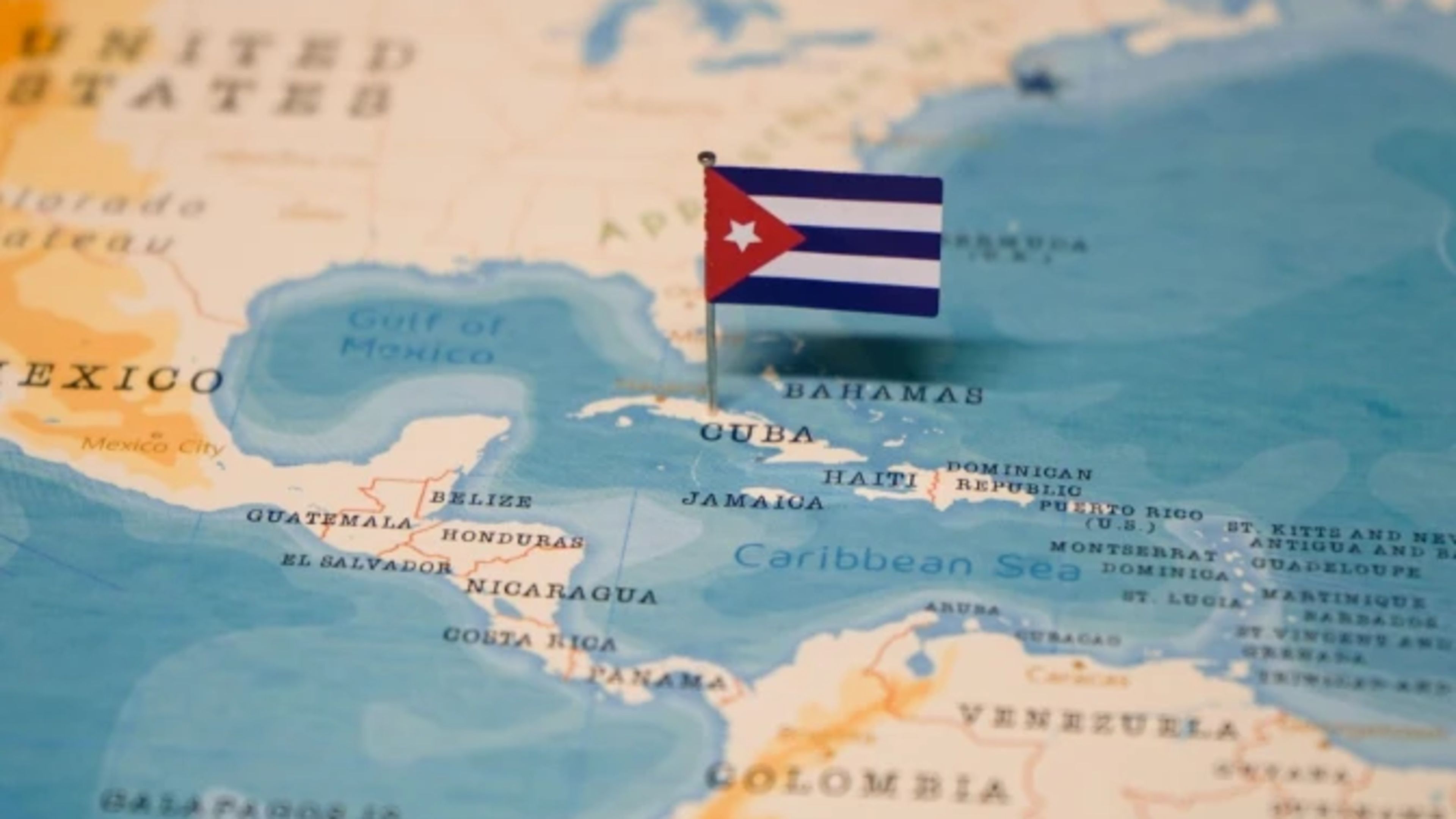
The Cuban regime summoned two priests and two peaceful dissidents for questioning on Jan. 23 and interrogated them for several hours, a move that has been described by one analyst as a means of “pressuring and punishing” those who defend the right to live in a free country.
The digital platform Cuba Trendings reported that priests Castor Álvarez Devesa and Alberto Reyes of the Archdiocese of Camagüey were summoned by State Security “without a stated reason.” At the time, both were on a spiritual retreat with the rest of the clergy.
The platform also reported that on the same day, Dagoberto Valdés Hernández and Yoandy Izquierdo Toledo, Catholic laymen and members of the Convivencia (Coexistence) Studies Center (CEC, by its Spanish acronym), were arrested in Pinar del Río.
The CEC is a nonpartisan, nonprofit think tank seeking to improve the situation in the country.
Both the priests and the laymen are known for openly expressing their views on Cuba’s lack of freedom and the severe economic crisis affecting the island nation.
Osvaldo Gallardo, a Cuban writer and religious freedom activist, noted that these incidents coincided with the 28th anniversary of the Mass that St. John Paul II celebrated in Camagüey, in which the pontiff encouraged Cubans not to “put off until tomorrow the building of a new society” and to “be the protagonists of their own history.”
The writer pointed out on Facebook that “these are not isolated or administrative incidents” but rather “acts of political intimidation directed against priests and laypeople who, out of their faith, conscience, and civic-mindedness, have defended human dignity, freedom, and the right to a better society.”
Álvarez and Reyes interrogated
Authorities questioned Álvarez for about three hours. The priest had been in Miami a few days earlier, and on Jan. 24, the Diario Las Américas news site published statements in which he not only reiterated the plight of the Cuban people but also asserted that, with the capture of Nicolás Maduro, the United States had “taken away the Cuban government’s control of Venezuela.”
The priest recalled that during the protests of July 11, 2021 — during which he was beaten and arrested — “people were saying that the United States had not supported the Cuban people. Today the perception is different. Even so, it is a cautious hope, a people who have suffered so much that they find it hard to believe in change. Many think that nothing will happen, but, despite everything, I believe there is hope.”
Reyes usually publishes a post every week on Facebook about the Cuban situation. On Jan. 16, he wrote that “it’s no secret” that after what happened in Venezuela, “hopes have soared for a radical change in Cuba that would bring an end to the dictatorship and usher in an era of democracy and prosperity.”
Also, on the morning of Jan. 23, the priest criticized the sentence against journalist José Gabriel Barrenechea, who was convicted for shouting slogans during a protest against the continuous power outages affecting the island.
CEC members interrogated
Dagoberto Valdés Hernández and Yoandy Izquierdo Toledo, members of the Convivencia Studies Center, also had to answer questions from the regime.
The CEC reported on Facebook that on the morning of Friday, Jan. 23, a patrol from the National Revolutionary Police arrived at Valdés’ home to arrest him and take him to state security headquarters in Pinar del Río.
Izquierdo was arrested when he and other members of the CEC approached the security headquarters to inquire about Valdés’ situation.
“The reason for the arrest, according to the legal affairs officer, was Valdés’ recent visit to Mike Hamer, chargé d’affaires of the U.S. Embassy in Cuba,” the CEC reported. “[Cuban officials] also said they would summon Izquierdo for having participated in that visit (which he did not attend).”
The CEC also reported that Valdés was accused of “terrorism” and of “collaborating with a foreign power that has threatened Cuba with military intervention.” Furthermore, parts of the column “The Future Is Here,” which the dissident wrote on Jan. 19 and in which he advocated for a peaceful transition to democracy, were read to him.
The CEC reported that the men were permitted to return to their homes the same day they were taken in for questioning.
Gallardo said the regime’s warning that “‘sharing ideas can constitute a crime’ directly contradicts the universal democratic principles” that protect pluralism and freedom of thought.
He denounced the communist government’s mechanism of “forcing the acceptance of ‘warning notices’ without legal basis,” saying it “constitutes a form of systematic state harassment, incompatible with the international commitments assumed by the Cuban regime regarding human rights.”
This story was first published by ACI Prensa, the Spanish-language sister service of EWTN News. It has been translated and adapted by EWTN News English.
If you value the news and views Catholic World Report provides, please consider donating to support our efforts. Your contribution will help us continue to make CWR available to all readers worldwide for free, without a subscription. Thank you for your generosity!
Click here for more information on donating to CWR. Click here to sign up for our newsletter.
Leave a Reply
You must be logged in to post a comment.