
The time he spent as a volunteer and later as the director of “Our Little Brothers” home for disadvantaged children in Latin America profoundly marked the new archbishop of New York, Ronald A. Hicks.

Bishop Ronald A. Hicks, whom Pope Leo XIV recently appointed as the archbishop of New York, comes to one of the most important sees in the United States with an experience that shaped his ministry: his time in Latin America, where he lived among vulnerable communities, which left a pastoral legacy that still endures.
He speaks Spanish, and one of his favorite saints is the Salvadoran martyr St. Óscar Arnulfo Romero, but his connection to Latin America was forged through his experience with the Nuestros Pequeños Hermanos organization (“Our Little Brothers”; NPH by its Spanish acronym), which he joined as a volunteer before entering the seminary.
NPH is an international organization founded in Mexico in 1954 by an American priest, Father William Wasson. Since its founding, the institution has provided comprehensive support, including a home, education, and medical care to more than 20,000 minors in extremely vulnerable situations in Latin America and the Caribbean.
In 1989, Hicks arrived as a volunteer at the NPH headquarters in Mexico. During that first encounter, he met orphans Emilia Cárdenas Ponce, 11, and her brother Abad, 9, who were living at the institution after their parents’ murder.
In an interview with ACI Prensa, the Spanish-language sister service of EWTN News, Emilia Cárdenas remembers Hicks as someone “very cheerful, very attentive,” who was especially close to her younger brother, as Hicks serves as the caregiver in charge of the boys. Although they didn’t live in the same building, Hicks maintained constant contact to ask how Abad was doing and to make sure he was fed and protected.
“Ron would tell me, ‘Don’t worry, I’ll take care of him, I’m keeping a close eye on him,’” Cárdenas recalled. Although Hicks was only there for a year before returning to Chicago to enter the seminary, “we continued to maintain that friendship,” she said.
Over time, fate brought them together again. In 2005, having become a priest, Hicks returned to Central America with a greater responsibility: as regional director of NPH Central America, a position he held until 2010. Based in El Salvador, he oversaw the NPH homes in Guatemala, Honduras, and Nicaragua.
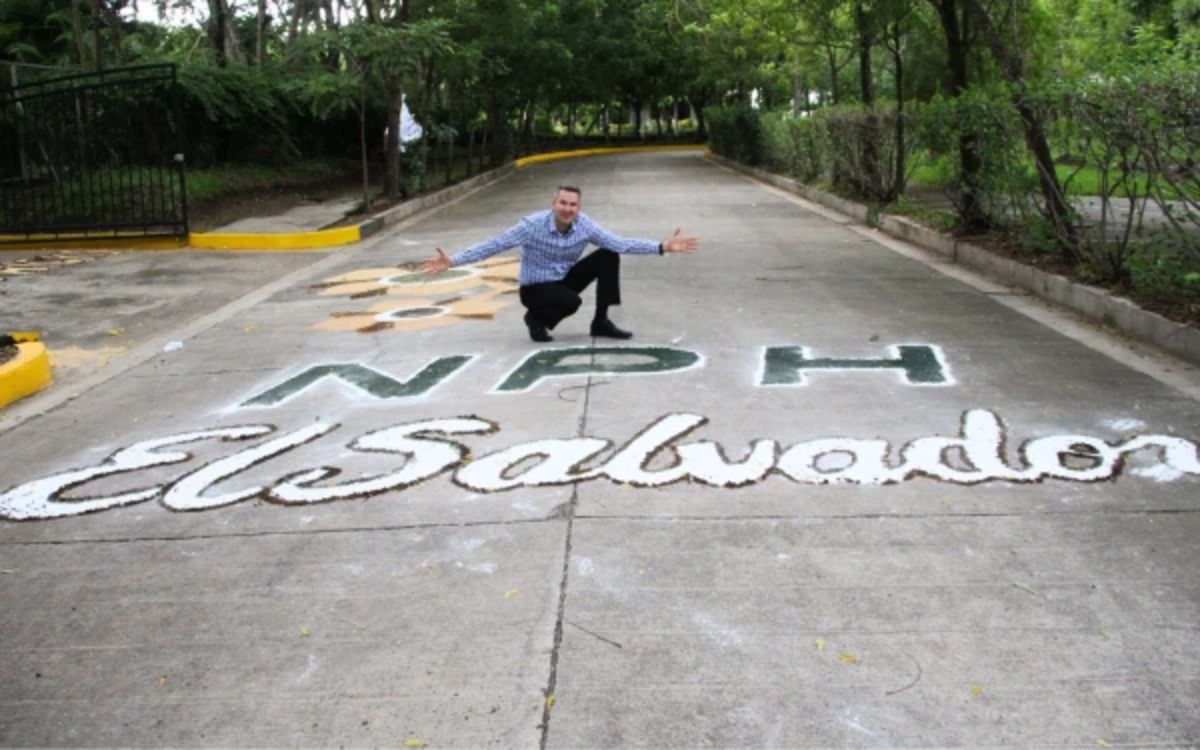
By then, Cárdenas was collaborating with NPH in El Salvador, and she said reuniting with “Padre Ron,” as he was known, was a great joy. Although he still had the same cheerful demeanor, she now remembers him as a “very organized, very responsible person, but always with that great empathy for people, both adults and children.”
Cárdenas emphasized something that deeply impacted about her relationship with Hicks was the importance he placed on people: He made an effort to remember the name of every child and adult with whom he interacted. When he celebrated a graduation Mass, a wedding, or even a funeral, he wanted to know about the people in each situation.
“He has such a big heart that he treats everyone so specially; he truly makes them feel important,” she said.
In El Salvador, Hicks worked closely with Olegario Campos, affectionately known as “Uncle Olegario,” who was the national director of NPH El Salvador from 1999 to 2019. In an interview with ACI Prensa, Campos remembered Hicks as a “very respectful” person who “loved the children very much and was always close to them.”
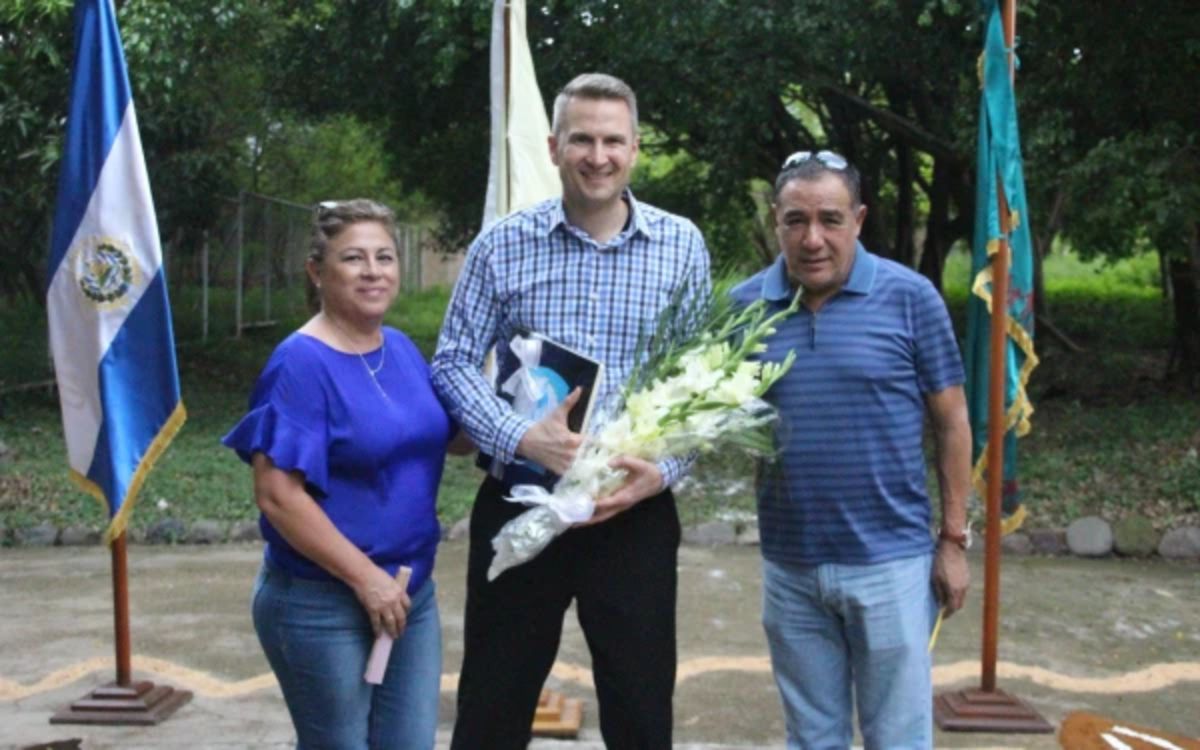
During those years, NPH El Salvador cared for approximately 340 orphaned and at-risk children with the support of about 140 staff members.
Campos recalled that for both adults and children, the man who is now the archbishop-designate of New York was seen as a “very respectful, very humble, very kind person” but, above all, he emphasized that “he always listened to us, he always gave us his support.”
El Salvador: A life-changing experience
But if Hicks left a profound mark on those who knew him, Latin America also left its mark on him. Years later, during the Mass the night before his installation as bishop of Joliet, Illinois, in 2020, he recalled “an experience that changed my life and my perspective.”
He recounted that, at the beginning of his work in Central America, four children between the ages of 12 and 14 came to his office to speak with him. He asked them to wait a few minutes while he finished his work, but the wait lasted longer than expected. When he was finally able to attend to them, one of them said to him: “Father, you are more like a lawyer than a priest.”
Those words, he confessed, “broke my heart.” He thought about everything he did to help them and wondered if “they didn’t realize that I was the one working with a team to keep this roof over their heads.”
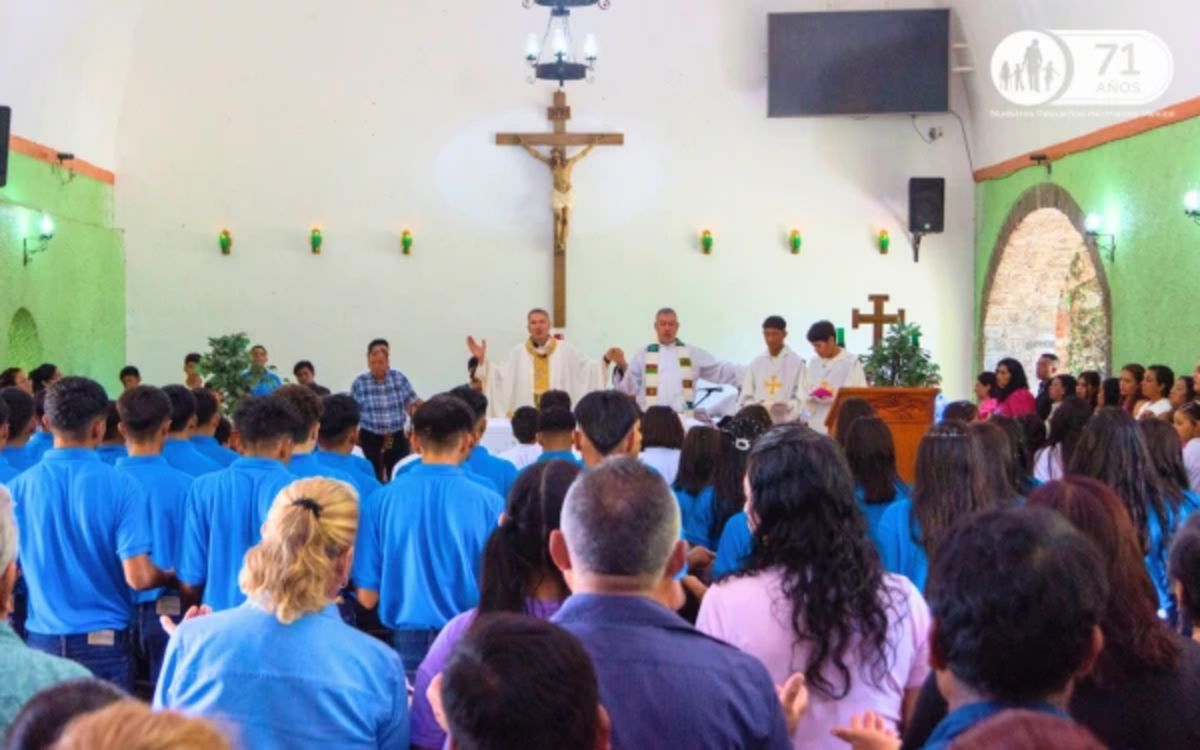
However, the question that lingered was another: “When I leave here after five years, how do I want to be remembered?”
He said this changed the way he related to them, and he made sure “to spend real time with them, being with them, praying with them, eating with them, playing with them, listening to them. Simply being there as their spiritual father and as their pastor.”
That experience motivated him to want to be a bishop close to the people, a “bishop who spends time with the people of God, a bishop who tries to be a good shepherd.”
‘The best archbishop in the world’
Cárdenas said without hesitation that “those people in New York really hit the jackpot” regarding Hicks’ appointment: “They’re going to have the best archbishop in the world.”
She said they are gaining a pastor who knows how to listen, who “pays close attention” to those he’s talking to, regardless of their ages or backgrounds.
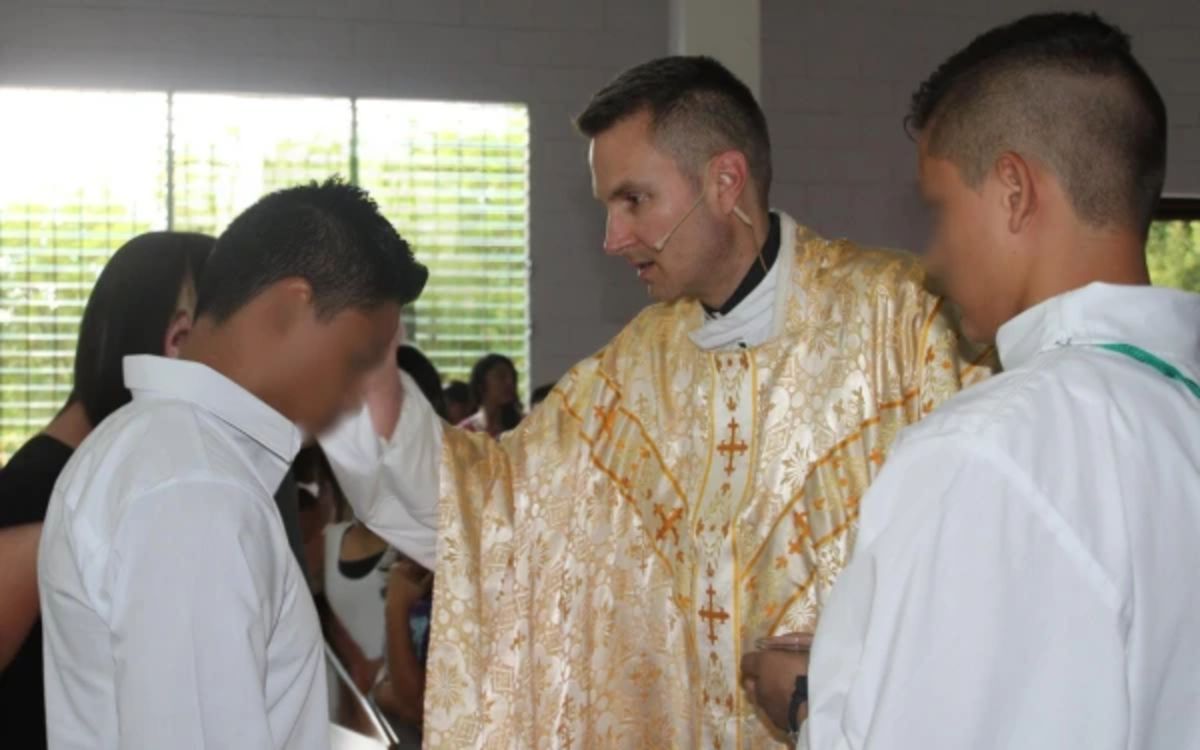
Campos said the New York Church is gaining a pastor with a great capacity for resolving conflicts. He said Hicks strove for “unity among everyone to better serve the children; to provide us with his support so that the children would be better off,” and “he really did a very good job.”
A few weeks before he assumes his pastoral duties in New York on Feb. 6, the United States Conference of Catholic Bishops shared a video in which the prelate shared that his time in Central America deeply impacted him.
“That experience with the people and with the culture changed and transformed me. And that’s what happens when we have an encounter with Jesus, with his word, his sacrament, the Eucharist, an encounter with him through acts of charity and mercy toward others. When we have an encounter with the Lord, we go home by a different way. We are changed and we are transformed.”
That different way home, for Hicks, passed through Latin America.
This story was first published by ACI Prensa, the Spanish-language sister service of EWTN News. It has been translated and adapted by EWTN News English.
If you value the news and views Catholic World Report provides, please consider donating to support our efforts. Your contribution will help us continue to make CWR available to all readers worldwide for free, without a subscription. Thank you for your generosity!
Click here for more information on donating to CWR. Click here to sign up for our newsletter.
Leave a Reply
You must be logged in to post a comment.